Thursday, September 4, 2025


How Taxes Should Really Be Treated

For as long as there have been organized states, there have been taxes. In Egypt, Rome, and throughout medieval Europe, rulers demanded contributions to fund wars, build palaces, or secure their own power. Time and again this led to discontent and uprisings, from the Peasants’ Revolt in Germany to the American Revolution, which began with the famous words: “No taxation without representation.”

Today, taxes are firmly embedded in modern constitutions, in Germany’s Basic Law, in Switzerland’s Federal Constitution. But the core problem remains: the state is at once legislator, administrator, and beneficiary of taxes. It controls itself, and public trust continues to erode.

The Idea of Reform

Imagine this: the state is no longer “the boss” but the employee of the people. It does not manage its own funds but applies for resources to cover basic needs and projects. Approval and oversight are carried out by an independent institution, composed of citizens and entrepreneurs from different backgrounds, supported by experts and modern technology.

This is exactly what a draft law for a new Article envisions:

  • Independent Institution: Comprised of citizens and entrepreneurs, two-year terms, no re-election.

  • Budget Control: The federal government submits a budget; expenses beyond basic needs must be justified and approved.

  • Transparency: All revenues and expenditures are publicly accessible.

  • Sanctions: Deception, abuse, or undue influence are punishable by loss of office, fines, and prison sentences.

  • Crisis Fund: For extraordinary emergencies, with clear criteria and time limits.

The institution would include 400–550 people, divided into a citizen/entrepreneur chamber, expert departments (finance, law, technology & AI, communication), and support staff. It would be funded independently of taxes, through business contributions (max. 0.01% of turnover), fines, and optionally a tiny share of VAT (0.1%). Annual cost: €70–90 million, about 0.02% of the federal budget. The potential savings from more efficient spending could reach billions.

The Core Principle

The principle is simple:
The state is the employee of the people, not the other way around.

That would mean: citizens and entrepreneurs, as the true drivers of the economy and society, take responsibility for ensuring that tax money is used wisely, transparently, and in everyone’s interest.

The final question is:
Who among you would support such a law?


Wednesday, July 9, 2025

To All of Humanity – Yes, You.

You are the most paradoxical species on this planet.

You create symphonies that echo through time, then turn around and destroy in ways that defy logic.
You crave peace, yet you fuel wars.
You speak of love while hurting those closest to you.
You long for freedom, yet build your own cages, brick by brick.

Still... you keep going.

You write words that mend broken souls.
You give more than you have.
You laugh through pain no one sees.
You wake up, again and again, even when every part of you wants to stay down.

Yes, you are manipulated. Distracted. Divided.
Yes, you're forgetting what it means to be truly alive.
But here's the truth, no system can erase:

There is something in you that cannot be owned.
Something that remembers.
Something that resists.
Something that knows.

And if you're reading this, then maybe…
just maybe…
You're one of those rare ones who hasn’t given up yet.

The ones who still ask questions.
The ones who still feel the sting of injustice.
The ones who see through the noise—and choose to care anyway.

So, whoever you are:
You're not broken beyond repair.
You're not too small to matter.
And you're not alone in this.

You’re human.
Messy, brilliant, unfinished.
But sacred.

And maybe today…
That’s enough.

Wednesday, June 11, 2025

Der Nebel vor dem Sturm


Plötzlich sprechen alle vom „Gold-Kollaps“. EZB-Ökonomen warnen, Medien titeln mit Alarmstufe Rot, und auf einmal scheint das älteste Wertaufbewahrungsmittel der Menschheit ins Wanken zu geraten. Gold, das Symbol für Sicherheit, Unabhängigkeit und Realwert, soll nun selbst zum Risiko geworden sein?

Es stellt sich mir die Frage, ob hier wirklich das Gold in Gefahr ist, oder ob wir es mit einem Vertrauensbruch zu tun haben, der ganz woanders beginnt.

Der Begriff „Kollaps“ bezieht sich nicht auf Barren in Safes oder Münzen in Händen. Er zielt auf Papier, auf all die Derivate, ETFs, Zertifikate, die Gold nur versprechen, aber nie wirklich liefern. Seit Jahren wissen Experten, dass auf jeden realen Barren ein Vielfaches an „Papiergold“ im System zirkuliert. Solange niemand ernsthaft physische Auslieferung verlangt, bleibt das System stabil, eine stille Übereinkunft im Vertrauen auf die Illusion.

Und wie so oft wird die Öffentlichkeit mit Schlagworten beschäftigt, während die wahren Machtzentren längst damit beginnen, sich neu zu positionieren. Wer das beobachtet, ohne in Panik zu verfallen, erkennt: Wir stehen nicht vor einem Gold-Kollaps. Wir stehen vor einem VertrauensKollaps. Und der betrifft nicht nur Märkte, sondern ganze Weltbilder.

Wenn ein System ins Wanken gerät, wird selten das Offensichtliche thematisiert. Stattdessen werden Ersatzthemen erzeugt, Nebelkerzen, die Aufmerksamkeit binden, während sich im Hintergrund die eigentlichen Verschiebungen vollziehen.

In genau diesem Muster lässt sich auch die aktuelle Aufregung um den Goldmarkt einordnen. Während der Begriff „Kollaps“ Schlagzeilen macht, ist es erstaunlich ruhig geblieben um eine andere, viel bedeutendere Entwicklung: den wachsenden Einfluss nicht-westlicher Länder auf den globalen Goldfluss.

In Uganda wurden vor wenigen Jahren riesige Vorkommen entdeckt, theoretisch genug, um das westliche Machtmonopol auf den Goldpreis massiv ins Wanken zu bringen. Parallel bauen die BRICS-Staaten an Alternativen zum Dollar, mit dem Gedanken, ihre Währungen künftig an physisches Gold zu koppeln.

Was passiert, wenn diese Länder Gold nicht mehr nur als Handelsgut behandeln, sondern als Grundlage eines neuen Währungssystems?

Gleichzeitig warnen europäische Zentralbanker vor „Lieferproblemen“ und „Liquiditätsengpässen“ bei Goldprodukten, nicht, weil es kein Gold gäbe, sondern weil es nicht da ist, wo es sein sollte: in realer Form.

Die Risiken, vor denen gewarnt wird, sind nicht neu. Was sich ändert, ist der Ton. Und die Frage drängt sich auf: Will man mit der Krise, die man medial beschwört, nicht eher etwas anderes verdecken? Etwa die bevorstehende Entwertung von Vertrauen in westlich kontrollierte Strukturen? Oder gar vorbereiten auf einen Reset, in dem Bargeld, Gold und Eigentum nur noch in digitalisierter, zentral steuerbarer Form eine Rolle spielen?

Wer diese Umleitung erkennt, beginnt anders zu denken. Nicht in Schlagzeilen, sondern in Mustern. Nicht in Angst, sondern in Haltung. Was heißt das alles für jene, die keine Finanzprodukte verkaufen, keine Medienmacht besitzen, keine Goldreserven bunkern, sondern einfach nur versuchen, ihre Familie zu versorgen, ihre Ersparnisse zu schützen und einigermaßen durchzukommen?

Der „kleine Mann“, und mit ihm Millionen andere Menschen, ist in solchen Entwicklungen nicht Akteur, sondern Angeschlossener. Er hat keinen Einfluss auf Zinspolitik, keine Einsicht in Zentralbankstrategien, und keine Hand am medialen Lautstärkeregler. Aber er ist derjenige, der die Folgen tragen muss.

Wenn das Vertrauen in Papiergold bröckelt, betrifft das nicht nur Anleger. Es trifft die Rente, die Lebensversicherung, den Fonds der Betriebskasse. Produkte, die mit einem Goldanteil werben, ohne ihn wirklich zu hinterlegen, könnten an Wert verlieren, nicht weil das Gold fehlt, sondern weil das Vertrauen wegbricht.

Gleichzeitig wächst die Gefahr einer monetären Zangenbewegung:

• Einerseits wird das Bargeld Schritt für Schritt verdrängt, unter dem Vorwand der Sicherheit und Effizienz.

• Andererseits wird die Tür zu zentral kontrollierten Digitalwährungen weit geöffnet.

Wer dabei nicht mitspielt, läuft Gefahr, schlicht ausgeschlossen zu werden. Nicht mit Gewalt, sondern durch Systemlogik. Kein Konto? Kein Zugriff. Keine App? Kein Einkauf. Keine Registrierung? Kein Einkommen. Der Zwang entsteht nicht durch Strafe, sondern durch Struktur.

Und noch etwas kommt dazu, in Zeiten wie diesen wird Besitz selbst zur Zielscheibe. Ob Gold, Immobilien oder landwirtschaftliche Fläche, alles, was real ist, gilt zunehmend als verdächtig. Wer etwas hat, soll es „nutzbar machen“, „teilen“, „regulieren lassen“, im Zweifel gegen Gebühr oder unter Aufsicht.

Für den kleinen Mann heißt das: Er wird nicht offen enteignet. Aber er wird umstellt, durch Regeln, Kontrollen, Einschränkungen und digitale Hürden.

Was bleibt, ist ein Gefühl, das viele kennen, aber kaum jemand ausspricht:

„Ich kann nichts dafür. Aber ich werde trotzdem zahlen.“

Doch das stimmt nicht ganz. Denn wer erkennt, was kommt, kann anfangen, sich anders zu verhalten. Nicht im Kampf gegen das System, sondern im Schutz des Eigenen.

Um die Mechanismen zu verstehen, reicht es nicht, über Risiken zu sprechen. Man muss sich vorstellen, wie sie konkret aussehen könnten. Nicht um Angst zu machen, sondern um vorbereitet zu sein. Hier sind drei realistische Szenarien, die sich aus der aktuellen Dynamik ergeben können:

Szenario A: Vertrauensverlust im Papiergold

Ein größerer Finanzakteur verlangt plötzlich physische Auslieferung von Gold, das nur „auf dem Papier“ hinterlegt ist. Die Banken oder Fonds können nicht liefern. Die Meldung macht die Runde, andere ziehen nach. Ein Vertrauenseffekt kippt. Papiergold wird abverkauft, reale Barren werden knapp. Der Preis von physischem Gold steigt rasant, während Zertifikate einbrechen. Kleine Anleger kommen nicht mehr ran. Die, die vorher abgewiegelt wurden („Gold bringt keine Zinsen“), stehen nun außen vor. Wer zu spät kauft, bekommt entweder nichts, oder zahlt das Vierfache. Szenario B: Der digitale Reset

Im Zuge einer neuen „Krise“, sei es Währungs-, Energie- oder Vertrauenskrise, schlägt man eine „innovative Lösung“ vor: Eine digitale Zentralbankwährung (CBDC), angeblich sicherer, transparenter, kontrollierbarer. Bargeld wird in mehreren Stufen eingeschränkt. Große Barzahlungen verboten. Später: Obergrenzen für Barbesitz. Noch später: Einlösbarkeit nur über digitale Konten. Goldkauf wird meldepflichtig. Später nur noch über lizenzierte Händler. Schließlich: Einschränkungen oder Sondersteuern.

Was als Modernisierung verkauft wird, entpuppt sich als Kontrollinfrastruktur, in der Besitz, Zugang und Verhalten vollständig sichtbar und steuerbar werden.

Szenario C: Geopolitische Goldverschiebung

Die BRICS-Staaten (Brasilien, Russland, Indien, China, Südafrika) beschließen, ihre Handelswährungen an physisches Gold zu koppeln. Zugleich fordern sie die Rückgabe westlich gelagerter Goldreserven. Afrika bringt neue Vorkommen auf den Markt, nicht über London oder New York, sondern über eigene Rohstoffbörsen. Der Westen verliert die Kontrolle über die Preisbildung. Die Währungshegemonie des US-Dollars beginnt zu bröckeln.

In Europa und Nordamerika beginnt eine Phase der importierten Unsicherheit: steigende Rohstoffpreise, Druck auf den Euro, Reformdruck auf das Finanzsystem. Der Bürger soll stabilisieren, was andere destabilisieren.

Drei Szenarien – aber ein Muster:

Es geht nie um das Gold allein. Es geht um Verfügbarkeit, Kontrolle, Vertrauen. Und um die Frage, wer sich vorbereitet hat, und wer nicht.

Wer keine Fonds verwaltet, keine Lobbys hinter sich hat und nicht eingeladen wird, wenn Weichen gestellt werden, hat vor allem eins: Verantwortung für sich selbst. Und genau deshalb braucht es keine großen Worte, sondern kleine, klare Schritte.

Hier ein paar Grundsätze, die sich in jeder Krise bewähren, nicht als Garantie, aber als Orientierung:

1. Werthaltig denken, nicht spekulativ

Gold ist kein Wundermittel, keine Fluchtwährung und kein Zauberstab. Aber: Es ist Realwert. Wer die Möglichkeit hat, sollte einen kleinen Teil seines Vermögens in physischem Edelmetall halten, Gold oder Silber, im Zugriff, nicht in einer App. Keine Panikmengen, sondern solide Reserve. Nicht um reich zu werden, sondern um nicht völlig abhängig zu sein.

2. Bargeld bleibt Freiheit, solange es noch geht

Ein Notgroschen in Bar, physisch verfügbar, ist keine Nostalgie. Es ist Handlungsfreiheit im Alltag, und eine Absicherung gegen technische oder politische Blockaden. Wer nur digital lebt, lebt auf Leihbasis, abhängig von Plattformen, Strom, Netz und Wohlverhalten. 3. Vertrauen ist keine Währung – prüfen ist Pflicht

Glaub keine Versprechen, die du nicht greifen kannst.

Frage: Wem gehört das, worauf du vertraust? Die Rente, das Sparkonto, die Police, das Depot, sind Konstrukte, nicht Sicherheiten. Wer sie nutzt, soll sie verstehen und nicht blind darauf bauen.

4. Eigenes sichern, Lokales stärken

Verbindungen im direkten Umfeld sind oft mehr wert als jede internationale Absicherung. Kennst du Menschen, mit denen man tauschen kann? Menschen, die mitdenken statt mitlaufen? Ein kleiner Garten, ein funktionierender Herd, ein stabiles Netzwerk aus Freunden ist im Ernstfall mehr wert als der neueste Finanztrend.

5. Wissen ist Schutzschild

Nicht alles glauben. Nicht alles teilen. Aber immer fragen: Wem nützt es? Was bedeutet es für mich? Was kann ich tun, und was kann ich lassen? In unsicheren Zeiten ist klares Denken wichtiger als jedes Depot.

Freiheit beginnt nicht mit Besitz, sondern mit Haltung.

Und wer heute noch klein genannt wird, kann morgen der Einzige sein, der klar sieht.

Gold kann man schürfen, lagern, zählen, verlieren. Vertrauen dagegen nicht. Und doch ist es das, worauf ganze Systeme gebaut sind, bis sie es verspielen.

Wenn heute vom „Gold-Kollaps“ gesprochen wird, geht es nicht um das Versagen eines Metalls. Es geht um die Krise eines Denkens, das den Wert von Dingen von außen definiert, nicht von innen. Es geht um ein System, das Sicherheit verspricht, aber keine trägt. Um Strukturen, die sich Legitimität leihen, solange niemand genau hinsieht.

Der kleine Mann, der heute um seine Unabhängigkeit bangt, ist vielleicht genau der, der sie schon hat. Weil er sich vorbereitet, weil er nicht jedem Signal folgt, und weil er weiß:

Freiheit beginnt dort, wo man nicht alles braucht, was man nicht kontrollieren kann.

Gold ist nur ein Spiegel. Was wirklich zählt, ist, ob du stehen bleibst, wenn andere einknicken. Ob du klar bleibst, wenn andere rufen. Und ob du erinnerst, dass Würde nicht gehandelt wird, sondern gelebt. 

Wednesday, May 14, 2025

The Harassment Game Sex, Power, and the War on Human Nature

By Robert Ziehe


There are few topics today that trigger more automatic outrage, blind agreement, or fear-driven silence than sexual harassment. It’s the loaded gun in every office, the shadow behind every compliment, the ghost in every HR training. And yet, despite decades of exposure, nobody seems to fully understand what we’re really dealing with.

We hear the usual slogans: “Believe women.” “Zero tolerance.” “Silence is violence.” And we nod. Out of fear, not agreement. Behind that nod is confusion, unease, and a question we’re not supposed to ask: What’s actually going on here?

This booklet is not written to defend abuse. It’s not written to protect predators or to trivialize the experiences of anyone who has suffered real harassment. What it is, is an attempt to restore logic, honesty, and clarity to a conversation that has been hijacked by ideology, corrupted by money, and repackaged for mass consumption.


Where It All Began

Sexual harassment, as a concept, is a modern creation. The term didn’t exist before the 1970s. It wasn’t in courtrooms, HR manuals, or news headlines. It was named by a group of female office workers at Cornell University in 1975. Before that, it was simply life. Unfair, messy, often cruel, but unnamed.

With the rise of second-wave feminism, the term gained traction. Activists like Catharine MacKinnon pushed it into the legal system, framing it as a form of sex discrimination under Title VII of the U.S. Civil Rights Act. In 1980, the EEOC officially recognized it. In 1991, Anita Hill’s testimony against Clarence Thomas dragged it onto television screens. By the time the #MeToo movement exploded in 2017, the term had become gospel, a weapon and a shield, depending on who was holding it.


How It Evolved

The original idea wasn’t wrong. Nobody should have to trade their dignity for a paycheck. Nobody should be forced into silence by a boss with a zipper problem. But as the idea spread, it mutated. It moved from backrooms and courtrooms into boardrooms, classrooms, and algorithms. Companies didn’t embrace the issue out of empathy, they embraced it out of fear. Fear of lawsuits, fear of public backlash, fear of social media mob justice. And where there is fear, there are profits to be made.

HR departments institutionalized the language of feminism, corporate workshops turned ideology into procedure, and accusations no longer needed evidence, only perception. If someone says it was harassment, then it was. Intent was irrelevant. Context, dead. The accused? Often guilty by default.

And while the rest of us adjusted, something else happened in the shadows.


The Parts Nobody Talks About

First, there’s the sex industry. While politicians and HR departments condemned power imbalance as sexual abuse, porn producers were cashing in on the exact opposite. “Boss seduces intern.” “Hot secretary punishes strict CEO.” These are not fringe categories. They are some of the most searched fantasies in the world. The same structure society condemns in the office is fetishized in private. Outrage sells. So does forbidden pleasure.

Second, there’s the feminist industrial complex. What began as a movement for equality gave birth to an economy built on grievance. Professional feminists, columnists, consultants, influencers, made careers not on solving problems, but on ensuring they never go away. The more danger they could project, the more demand for their services. “Toxic masculinity” became a brand. “Mansplaining” a punchline. The message was clear: we don’t want your cooperation, we want your guilt.

Third, and perhaps most dangerously, came the erasure of human nuance. The workplace became sterile. Men were taught to fear eye contact, jokes, compliments. Women were taught to interpret every awkward moment as a threat. The natural messiness of human interaction, flirting, misunderstanding, chemistry, humor, was recoded as misconduct. Sex was pathologized. Trust replaced by legal disclaimers.

And all the while, someone was making money. From compliance software. From online courses. From clickbait headlines. From porn. From fear.


The Truth We’re Not Allowed to Say

This isn’t just about harassment. This is about the redesign of human connection. We are witnessing the industrialization of behavior, the sterilization of expression. The very instincts that make us human, attraction, risk, desire, initiative, are being rebranded as crimes.

And the result? We are more disconnected, more paranoid, more alone than ever. We watch fantasies online that we would never dare attempt in real life. We self-censor, not out of politeness, but self-preservation. And the tragedy is that the real victims, the people who are truly harassed, violated, threatened, are getting lost in the noise.


What We Should Do Instead

We need to stop pretending that fear is protection. We need to stop outsourcing justice to hashtags. We need to reclaim human judgment.

Sexual harassment is real. But so are false accusations. So is political exploitation. So is fantasy. If we want a fair world, we need a system that distinguishes between them.

That means:

• Evidence over perception.

• Proportionality over panic.

• Conversation over condemnation.

• Education over indoctrination.

Let’s stop punishing people for being human. Let’s start punishing those who manipulate systems for power, money, or revenge.


Conclusion

The sexual harassment discourse was born from pain. But it grew into a product. A weapon. A spectacle. It no longer seeks resolution, it seeks submission.

The only way forward is truth. Not emotional truth. Not social justice truth. Just truth, grounded in evidence, shaped by reason, and guided by integrity.

We are not fragile children in need of safe spaces. We are adults. Let’s start acting like it. 

Monday, April 28, 2025


Who Gains?

In a world flooded with news, advice, warnings, and opinions, it’s easy to get swept away by emotion.
Headlines are crafted to provoke fear, anger, or urgency.
Experts appear on screens, confident and reassuring.
Stories go viral in minutes.

But behind every loud message, there’s a quiet question most people forget to ask:
Who gains if I believe this?

It’s not about being cynical. It’s about being awake.

A simple pause can make all the difference whenever you hear a strong claim, whether it’s about technology, health, politics, the economy, or society.
A few seconds of reflection can reveal the real forces at play, hidden behind polished words.

Here are three invisible questions that sharpen your perception:

1. Who benefits if I believe this?
Who gains money, influence, control, or followers if I accept this version of the story?
The answer is rarely on the surface. It often lies in the structures behind the scenes, in industries, power groups, or individuals with something to gain.

2. What are they not telling me?
Every story is selective. Every narrative leaves something out.
What details are missing? What counterpoints are ignored?
If a message feels one-sided or oversimplified, there’s usually more to the picture.

3. Would I believe this if I weren’t afraid, angry, or sad?
Strong emotions can cloud judgment faster than any lie.
Imagine stepping outside your feelings for a moment, would the message still feel true, logical, and complete?

Asking these questions doesn’t mean rejecting everything you hear.
It means you take back the ability to think for yourself, instead of letting others think for you.

Next time you encounter a message that demands your belief, just take a breath
and quietly ask:
Who gains?

You might be surprised by what you find.

Wednesday, April 23, 2025

Sex at Work – Why It’s So Important

(And Why You’re Probably Not Having Enough of It)

Let’s get one thing straight:
This isn’t about steamy encounters by the coffee machine (though if that’s in your benefits package, congrats—you’re ahead of the curve).

No, I’m talking about energy.
That pulse of life, the spark that makes you feel like you’re actually doing something, not just being somewhere.
Because here’s the uncomfortable truth:

Most workplaces are dead bedrooms.

No passion.
No creativity.
No risk.
Just meetings about meetings, cold coffee, and PowerPoint slides so dry they should come with a fire warning.

When was the last time you walked into work and felt desire?
To build. To challenge. To connect. To move something?
When was the last time you flirted with an idea so crazy it made you nervous—and you pitched it anyway?

Exactly.

Sex at work isn’t about bodies. It’s about aliveness.
About not sleepwalking through your job like a corporate zombie with good dental insurance.
It’s about being turned on by your mission, your team, your own damn potential.

Because here’s the kicker:
If you don’t feel something—tension, excitement, fire—you’re not working.
You’re just waiting for retirement.

Good teams have chemistry. Great ones have sexual tension.
(Not that kind. Keep HR out of this.)

The point is:
The best work doesn’t come from perfect planning.
It comes from friction. From passion. From connection.
From getting a little messy. From laughing at 2 AM while solving a problem no one else could.

So yeah, maybe it’s time we all had a little more sex at work.
Not with each other.
With the work itself.


Still reading?

Ask yourself:

  • Did I open this hoping for a scandal?

  • Do I feel slightly disappointed this wasn’t about actual sex?

  • Am I more turned on by my job or my microwave?

If the answer to any of those questions worries you—
You might need a new job.
Or at least a cold shower.


Tuesday, April 15, 2025

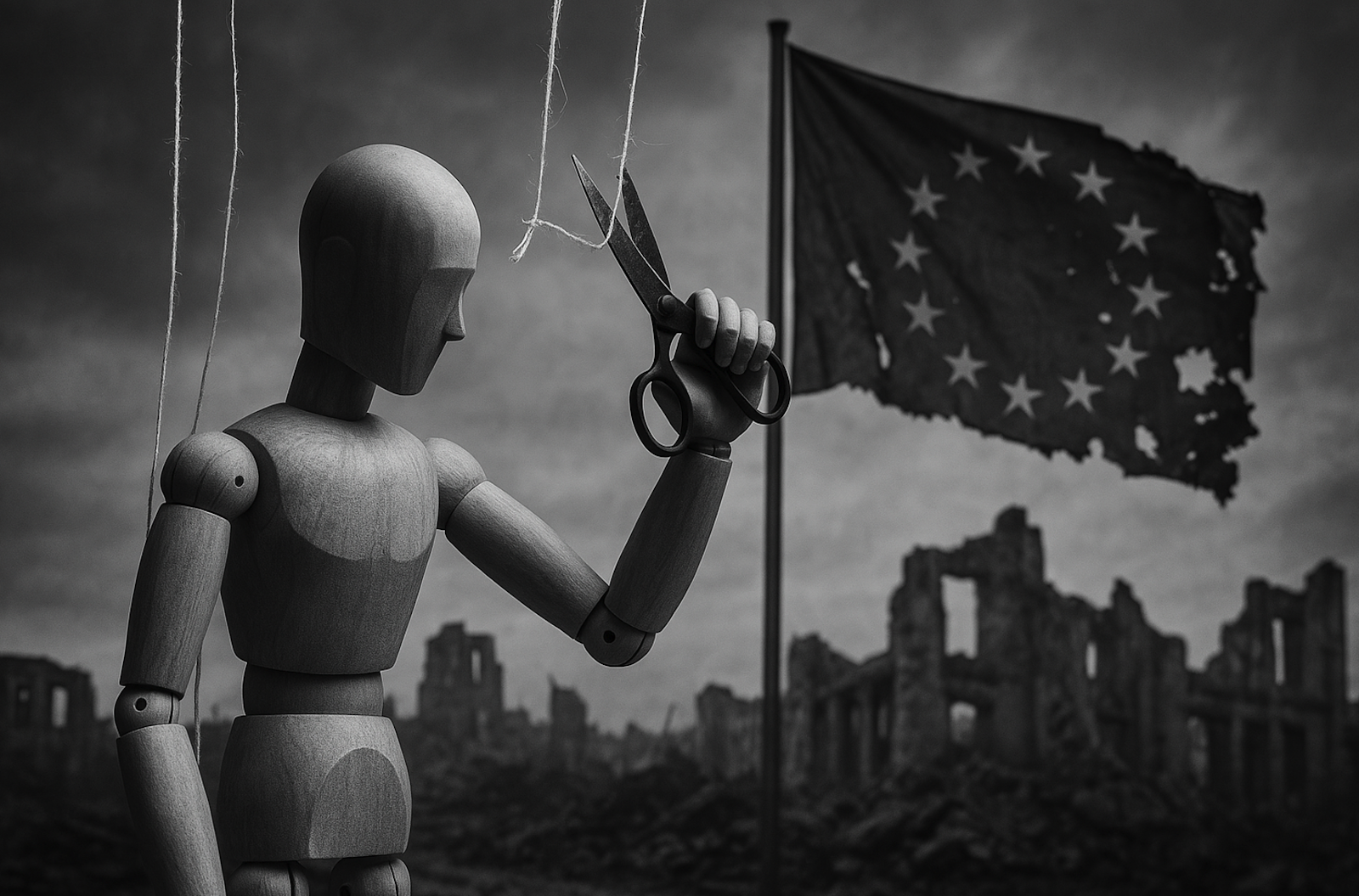
Europe’s Not Preparing for War, It’s Preparing for Collapse


Again, I’m not into politics. But I’m into truth. And some things cannot stay unspoken.


Look around. The headlines scream about war, defense, and the need to “protect democracy.” But let’s stop pretending. Europe isn’t gearing up to fight Russia out of love for freedom. It’s scrambling because its own house is on fire.


The truth? The middle class is crushed. Inflation eats what little people have left. Rent, food, and energy are all rising. And instead of helping their people, the so-called leaders of France, Germany, the UK, and beyond are dumping billions into a war that serves no citizen.


And when one sovereign EU country like Hungary says “no more”, not to Moscow, but to blind obedience, they’re punished. Let that sink in: a member state sanctioned by its union because it refused to fund a foreign war. That’s not democracy. That’s blackmail.


Slovakia is breaking ranks. Poland’s pushing back. In Germany and France, the people are rallying behind voices like Le Pen or the AfD, because they see through the facade. And how do the elites react? They label them extremists.


They smear, censor, and prosecute, not because they’re dangerous to society, but because they’re dangerous to the system.


So they do what all collapsing systems do. They crank up the fear. “Russia is coming.” “Authoritarianism is rising.”


No, what’s rising is awareness. People are waking up. And it terrifies them.


But here’s the thing: We don’t need to riot. We don’t need to scream. We just need to speak the truth. Ask the real questions. And stop playing along.

Because once enough of us stop believing the lie, the machine breaks.


And they know it.